
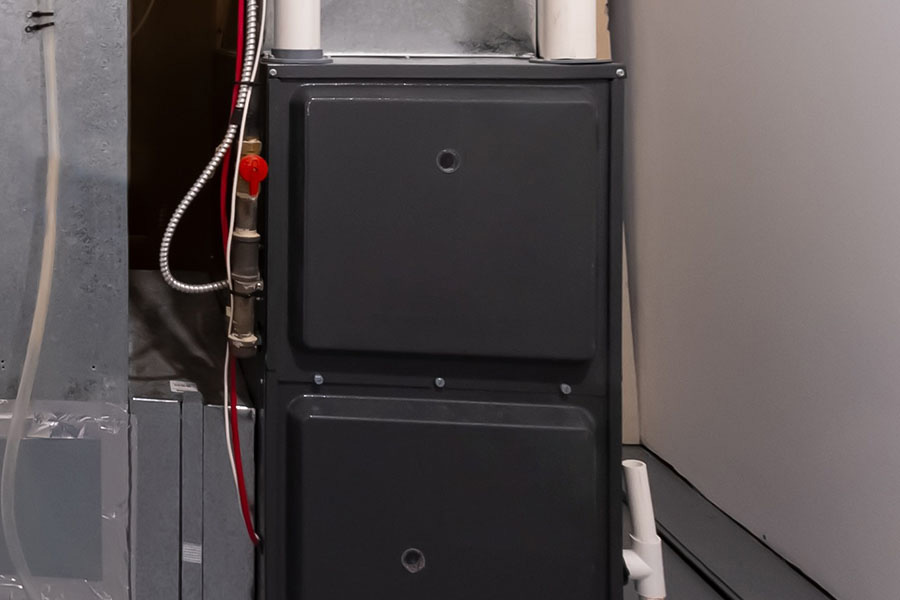
Furnace installation costs can feel like a rollercoaster ride, swinging wildly based on numerous factors. You might think all furnaces are created equal, but that’s far from the truth. The type of furnace you choose, along with your home’s size and layout, can drastically change your expenses. But that’s just the beginning—there are other hidden costs that can catch you off guard. Curious about what else influences these prices?
The Type of Furnace Being Installed
When considering furnace installation, the type of furnace you choose plays an essential role in your home’s heating efficiency and comfort.
You’ll encounter various options, including gas, electric, and oil furnaces, each with distinct benefits and drawbacks. Gas furnaces are generally more cost-effective to operate, offering quick heat and energy efficiency.
Electric furnaces, on the other hand, can be easier to install and maintain, making them a solid choice for smaller spaces. Oil furnaces tend to provide robust heating but may come with higher fuel costs and maintenance needs.
Selecting the right furnace also affects your installation costs. More advanced models with features like variable-speed blowers or smart thermostats may command higher prices upfront but offer long-term savings through better efficiency.
With Leith Heating and Cooling, our team can help you evaluate your options, ensuring you find a furnace that fits both your budget and comfort needs. Additionally, we can provide guidance on active tax incentives that may be available to help offset your installation costs.
Home Size and Layout Considerations
As you plan for furnace installation, the size and layout of your home greatly influence both your heating needs and installation costs.
Larger homes typically require more powerful furnaces or multiple units, which can increase expenses. If you have an open floor plan, you may need a system that distributes heat evenly, potentially adding to the installation complexity and cost.
Conversely, homes with multiple levels or distinct rooms might require zoning systems to manage different temperatures throughout, impacting both your choice of furnace and the overall price.
Additionally, certain architectural features, like vaulted ceilings or large windows, can affect heating efficiency, leading to higher installation costs.
Evaluating your home’s specific layout allows you to choose the right furnace and installation plan that meets your needs without overspending. Regular maintenance is also crucial for ensuring optimal performance, so be sure to consider this as part of your planning.
Working with a knowledgeable team, like Leith Heating and Cooling, guarantees you make informed decisions tailored to your unique space.
Additional Installation Requirements
While planning your furnace installation, it’s crucial to take into account additional requirements that can affect both the process and costs.
For instance, you’ll need to evaluate whether your existing ductwork is compatible with the new furnace. If it’s outdated or damaged, you may face extra expenses for repairs or upgrades.
Permits are another factor; your local regulations might require permits before installation. This adds to both the timeline and the cost.
Additionally, reflect on your home’s insulation and ventilation. If your home lacks proper insulation, it could lead to inefficiencies, prompting you to invest in improvements.
Lastly, access to your installation site matters. If your furnace is in a tight or hard-to-reach area, the installation may take longer and require more labor, increasing overall costs.
Furthermore, consider scheduling heating tune-ups post-installation to maintain optimal performance and efficiency for your new system.
Don’t overlook these factors as you budget for your new furnace.
Seasonal Demand and Timing
Understanding seasonal demand and timing is essential for optimizing your furnace installation costs. In Elgin, IL, the demand for furnace installations peaks during the colder months. If you wait until winter to replace your furnace, you might face higher prices due to increased demand and potential delays in scheduling.
It’s smart to contemplate scheduling your installation during the shoulder seasons—early fall or late spring—when demand is lower and contractors often offer better pricing.
Additionally, keep an eye on local promotions and rebates, as manufacturers frequently roll out incentives during off-peak times. By planning ahead and being flexible with your installation timing, you can save money and guarantee a smoother experience. Moreover, consider routine commercial equipment maintenance to ensure your HVAC system runs efficiently year-round.
Local Labor Costs and Expertise
Local labor costs and expertise play a significant role in your furnace installation experience in Elgin, IL. When you hire local professionals, you benefit from their familiarity with regional building codes and weather conditions. This knowledge guarantees they can recommend the best furnace for your home’s unique needs.
Higher labor costs may reflect the quality of service and experience you receive. For instance, working with a veteran-owned company like Leith Heating and Cooling means you’ll have access to NATE and EPA-certified technicians who are committed to excellence. Their expertise can prevent costly mistakes and guarantee efficient installation.
Additionally, local businesses often prioritize customer satisfaction, offering transparent pricing and guarantees. This means you can trust that you’re getting reliable service without hidden fees.
In the end, investing in skilled local labor not only enhances your installation experience but also contributes to your home’s long-term comfort and efficiency.
Conclusion
To sum up, understanding the various factors that influence furnace installation costs in Elgin, IL, helps you make informed decisions. By considering the type of furnace, your home’s size, and any additional requirements, you can better anticipate expenses. Seasonal demand and local labor rates also play a role, so timing your installation wisely could save you money. Visualizing these elements can help you grasp how each factor intertwines, guiding you towards the best choice for your heating needs.