
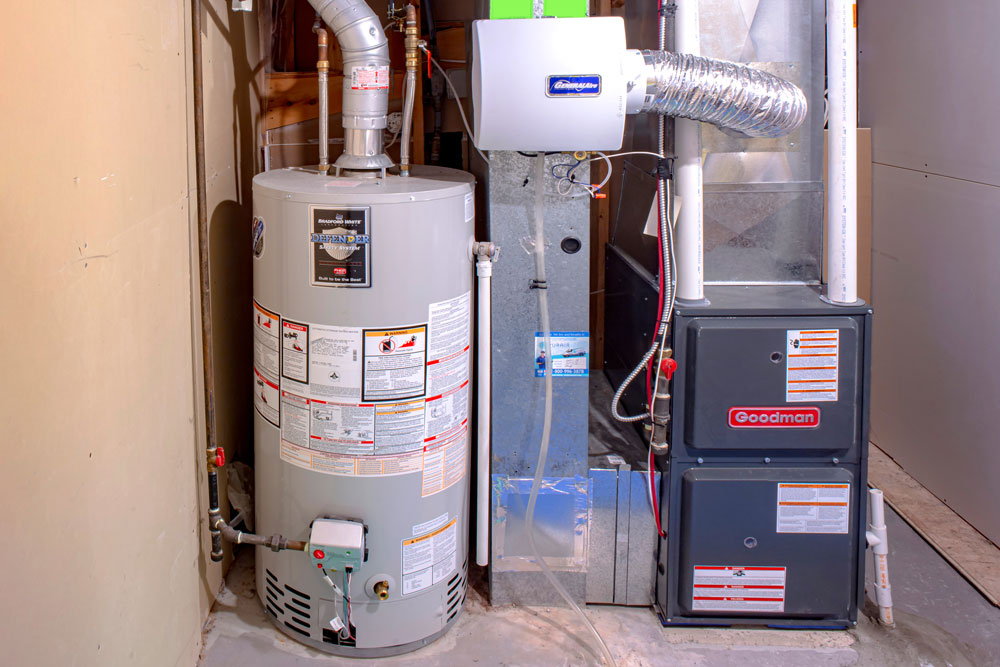
Did you know nearly 50% of a household’s energy bill goes toward heating and cooling? Your heating system might be underperforming if you constantly adjust the thermostat or notice cold spots. Rising energy costs and frequent repairs can signal that it’s time for an upgrade. Unusual noises or poor indoor air quality shouldn’t be ignored either. With so many potential indicators, how do you determine if an upgrade is necessary? Let’s explore the telltale signs that suggest your heating system may be on its last legs and what steps you should consider next.
Uneven Heating Throughout the Home
If you notice inconsistent temperatures in different rooms, your heating system might struggle to distribute heat evenly. This issue often indicates that something within the system needs attention. Begin by checking your ductwork for any leaks or blockages. These can cause the warm air to escape or be obstructed, preventing it from reaching certain areas of your home. Sealing leaks and clearing obstructions can notably improve heat distribution.
Next, consider the age and efficiency of your heating unit. Older models or those lacking maintenance may not operate efficiently, leading to uneven heating. Evaluating your system’s capacity is vital; if it’s undersized, it may not adequately heat larger spaces, while an oversized unit can cycle on and off too quickly, causing temperature imbalances.
Additionally, inspect the thermostat settings and placement. A poorly located thermostat might not accurately read the ambient temperature, leading to inefficient heating cycles. Confirm it’s placed centrally and away from drafts or direct sunlight. Finally, engage a professional to evaluate your heating system. They can provide insights into whether repairs or an upgrade might be necessary, confirming your home remains comfortable and you continue to serve others effectively.
Rising Energy Bills
Another indication that your heating system might require an upgrade is a noticeable increase in your energy bills, suggesting that the system is working harder than necessary to maintain comfortable temperatures. This inefficiency usually stems from outdated mechanisms or components that no longer function at peak performance. A system that’s overexerting itself not only costs you more financially but also has a larger environmental footprint. To guarantee you’re not wasting resources, critically assessing the system’s performance is crucial.
Consider these signs that your heating system may be inefficient:
- Unusually high monthly energy bills: A sudden spike in costs without a corresponding increase in usage points to inefficiency.
- Longer heating cycles: If your system runs longer to achieve the same warmth, it’s consuming more energy.
- Inconsistent energy bills: Fluctuating costs despite consistent usage patterns indicate a problem.
- Old equipment: Systems over 15 years old are typically less efficient and more costly.
- Lack of regular maintenance: A neglected system can become inefficient over time, increasing your bills.
Frequent Repairs Needed
Frequent repairs to your heating system signal that its components are deteriorating and may no longer perform reliably, necessitating an evaluation for potential replacement. When you repeatedly call a technician to address the same or similar issues, it indicates that the system’s efficiency and reliability are compromised. Each component in your heating system—from the thermostat to the heat exchanger—plays an essential role. If these elements require constant attention, it’s a sign that age and wear have impacted their functionality.
When evaluating your system, consider the frequency and cost of repairs. If repair expenses accumulate to more than half the cost of a new system, it’s financially prudent to consider an upgrade. A modern system enhances reliability and increases energy efficiency, benefiting you and those you serve. Additionally, outdated systems may struggle to meet current safety standards, putting occupants at risk.
Strange Noises From the System
Unusual noises emanating from your heating system, such as banging, clanking, or hissing, often indicate internal issues that require immediate investigation. These sounds disrupt your peace and can signify potential hazards or inefficiencies in the system. Addressing these noises promptly guarantees the safety and comfort of those you serve and prevents future costly repairs or system failures.
When you hear strange noises, consider the following potential causes:
- Banging or popping: This could be due to air bubbles in a boiler’s water or a delayed ignition in a furnace.
- Clanking: Often indicates loose or disconnected parts, such as a fan blade or motor.
- Hissing: This may suggest a refrigerant leak in a heat pump or a valve issue in a boiler.
- Whistling could result from restricted airflow, possibly due to blocked vents or a dirty filter.
- Rattling: Often a sign of loose components or debris within the system.
Understanding these sounds allows you to act swiftly, protecting your equipment and the well-being of those relying on you for warmth and security. Prompt, professional intervention is recommended to diagnose and rectify the underlying problems accurately.
Inconsistent Thermostat Performance
An inconsistent thermostat performance often indicates calibration, wiring, or sensor functionality issues, leading to erratic heating cycles and discomfort in your living space. When your thermostat fails to regulate temperature accurately, it can result in uneven heating, causing some rooms to be too warm while others remain chilly. Such discrepancies affect comfort and energy efficiency, as your heating system may overwork to compensate for incorrect readings.
To address this, start by checking the thermostat’s settings and location. Confirm it’s not exposed to direct sunlight or drafts, as these can skew readings. Next, inspect the wiring for loose connections or corrosion. A poorly wired thermostat can send inconsistent signals to your heating system, disrupting its operation. You may need a professional to recalibrate or replace faulty sensors, confirming they accurately gauge ambient temperatures.
Age of Your Heating System
How old is your heating system, and could its age impact its efficiency and reliability? As systems age, they often struggle to maintain performance levels, leading to increased energy consumption and potential breakdowns. Generally, heating systems over 15 years old may not run as efficiently as newer models. Recognizing the signs of aging in your system can help you better serve your household or community by ensuring warmth and comfort.
Consider the following indicators that your heating system might be past its prime:
- Frequent Repairs: Are you calling technicians more often? Older systems tend to require more frequent maintenance.
- Rising Energy Bills: Have you noticed an inexplicable increase in your energy usage? Inefficient systems consume more power to deliver the same amount of heat.
- Uneven Heating: Are some rooms warmer than others? This inconsistency often points to an aging system struggling to distribute heat evenly.
- Strange Noises: Unusual sounds like banging or rattling could indicate the nearing failure of worn-out components.
- Obsolete Technology: Does your system lack modern features such as programmable thermostats or zoning capabilities? These advancements improve efficiency and convenience.
Poor Indoor Air Quality
Your heating system’s performance could compromise your indoor air quality, as older or poorly maintained units often harbor dust, mold, and other contaminants circulating throughout your home. When these particles infiltrate your living space, they can exacerbate allergies, cause respiratory issues, and create an unhealthy environment. You must pay close attention to signs such as increased dust accumulation on surfaces, musty odors, or frequent allergic reactions among household members.
Inspect your heating system’s filters and ducts regularly to guarantee you’re providing a safe and healthy environment for your family or those you serve. Clogged or dirty filters fail to trap pollutants effectively, reducing air quality. It may be time to evaluate the system’s filtration efficiency if you notice excessive dust despite regular cleaning.
Additionally, older systems might lack advanced filtration technologies in modern units designed to purify air more thoroughly. Consider upgrading to a system with HEPA filters or UV light technology, which can drastically improve air quality by capturing microscopic pollutants. By addressing these issues proactively, you can enhance the living conditions in your home and guarantee everyone breathes cleaner, healthier air.
Persistent Cold Spots
Persistent cold spots in your home can indicate uneven heating distribution, often signaling that your current heating system might be outdated or malfunctioning. When some areas of your home remain colder than others, it could result from inadequate system capacity or improper ductwork. Addressing these cold spots not only improves comfort but also enhances energy efficiency and could reduce energy costs. Consider these common causes for persistent cold spots:
- Blocked Vents: Furniture or objects may obstruct airflow, preventing heat from reaching certain areas.
- Duct Leaks: Leaks in ductwork can cause heated air to escape before it reaches your intended rooms.
- Poor Insulation: Inadequate insulation in walls or ceilings can allow heat to escape, creating cold zones.
- Thermostat Issues: A malfunctioning thermostat might not accurately read temperatures, leading to uneven heating.
- Aging System: Older systems might struggle to distribute heat evenly due to wear and inefficiencies.
Difficulty Maintaining Desired Temperature
Inconsistencies in maintaining your desired temperature often suggest that your heating system is either undersized for your home or suffering from component failures, leading to inefficient operation. If your heating system struggles to keep your home consistently warm, it might be time to assess its capacity. An undersized system will run longer, consuming more energy without achieving the desired comfort level. This inefficiency can also result from aging components no longer performing at their best, such as a malfunctioning thermostat, worn-out blower motor, or clogged filters.
To address these issues, start by evaluating the size of your heating system relative to your home’s square footage and insulation quality. A professional technician can calculate load to determine if your system is adequate. If components are failing, consider having them inspected and replaced. Check the thermostat’s responsiveness and verify it’s calibrated accurately. Routine maintenance, such as cleaning or replacing filters, can greatly enhance efficiency.
System Cycling On and Off Frequently
Frequent cycling of your heating system can indicate issues such as an oversized unit, faulty thermostat, or poor airflow, leading to increased energy consumption and reduced comfort. When your system turns on and off more than normal, it’s not just an annoyance; it can also be a sign that your system is working inefficiently. This inefficiency often results in higher utility bills and can strain the system components, shortening their lifespan.
To address these issues, consider the following potential causes and solutions:
- Oversized Unit: An oversized heating system heats your space too quickly, causing it to cycle off before achieving consistent comfort.
- Faulty Thermostat: A malfunctioning thermostat might inaccurately read room temperature, causing unnecessary cycling.
- Poor Airflow: Blockages or leaks in ductwork hinder proper airflow, prompting the system to cycle frequently to meet temperature demands.
- Dirty Filters: Clogged filters restrict airflow, making the system work harder and cycle more often.
- Electrical Issues: Faulty wiring or connections can intermittently cut power, leading to frequent cycling.
Conclusion
If your heating system’s acting up, don’t ignore the signs. Did you know that nearly 30% of a home’s energy use is attributed to heating? Imagine the savings when your system runs efficiently. If you notice uneven heating or frequent cycling, it’s time for a professional evaluation. An upgrade can enhance comfort and reduce energy costs. Invest in your home’s warmth and efficiency to guarantee you’re not left in the cold when you need it most.
Frequently Asked Questions
How Can I Improve the Energy Efficiency of My Current Heating System?
You can improve your heating system’s energy efficiency by sealing leaks, upgrading to a programmable thermostat, and regularly servicing the equipment. Also, consider adding insulation and ensuring the ductwork is clean and properly sealed for peak performance.
What Are the Benefits of Upgrading to a Smart Thermostat?
Imagine reducing energy bills by 15% after installing a smart thermostat. You gain precise control, schedule heating, and monitor usage remotely, ensuring comfort and efficiency. This upgrade supports sustainability and helps you serve others more effectively.
Are There Any Tax Credits or Rebates for Upgrading My Heating System?
Check federal and state programs for potential tax credits or rebates on heating upgrades. Energy-efficient systems often qualify. Consult local utility providers for specific incentives, ensuring your upgrade serves you and benefits the community.
What Should I Consider When Choosing a New Heating System?
It’s no coincidence you’re considering efficiency, capacity, and compatibility first. Prioritize systems with high energy ratings, ensuring they suit your space. Evaluate installation and maintenance requirements, and choose a system that aligns with your community’s environmental goals.
How Can I Ensure My New Heating System Is Environmentally Friendly?
To guarantee your heating system is environmentally friendly, prioritize energy-efficient models. Look for Energy Star certifications, consider renewable energy options like heat pumps, and consult with professionals who prioritize sustainable practices to serve your needs and the environment.