
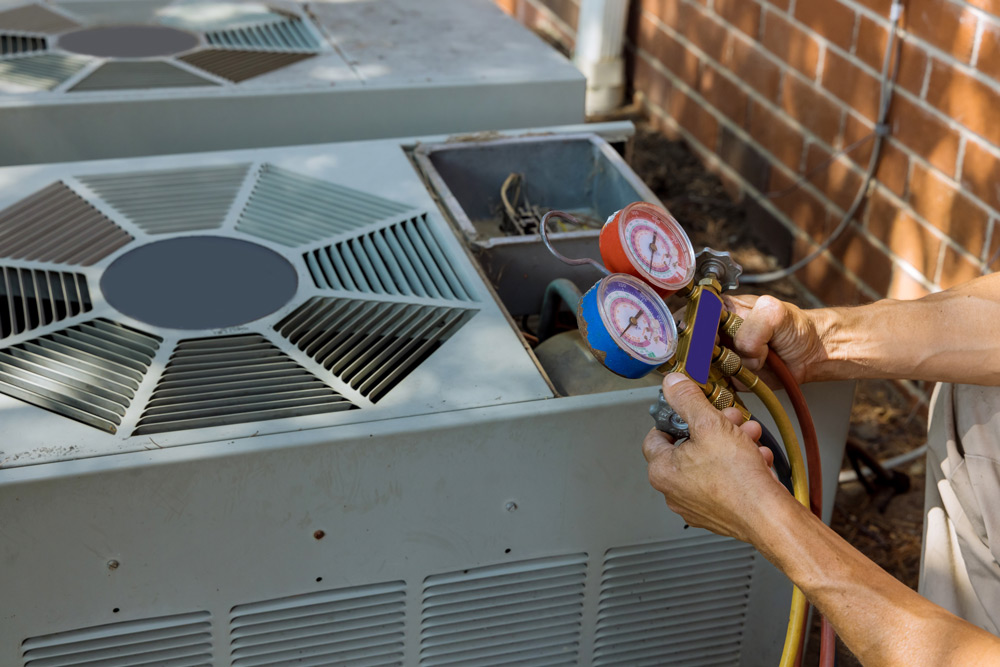
Imagine sitting in your living room, feeling slightly stifling heat despite your AC running at full blast. If this sounds familiar, it’s important to recognize when your AC condenser might need repair or replacement. You’ll want to look for signs like reduced airflow, strange noises, or warm air blowing from your vents. Frequent cycling, high energy bills, and leaking refrigerant indicate something amiss. Ignoring these symptoms can lead to further complications. Consider each one closely to understand how to spot these signs and address them effectively.
1. Reduced Airflow
One of the earliest and most noticeable signs that your AC condenser may need repair or replacement is reduced airflow from your vents. When you notice the air coming through the vents is weaker than usual, it indicates something is amiss. Typically, this issue arises because of problems within the air duct system, blocked vents, or a malfunctioning fan motor.
First, inspect your air ducts for obstructions. Dust, debris, or even small objects can accumulate in the ducts, restricting airflow. If the ducts are clear, the next step is to check for blocked vents. Sometimes, furniture or other items can inadvertently cover vents, reducing their efficiency.
2. Strange Noises
If you start hearing unusual noises from your AC condenser, it could strongly indicate that mechanical parts are worn out or damaged. These strange sounds often point to specific issues that require immediate attention. For instance, a rattling noise may indicate loose parts inside the condenser unit. Over time, screws, bolts, and other components can become unfastened due to vibration, leading to further damage if not addressed promptly.
A buzzing or humming sound might suggest that the condenser’s fins are clogged. When debris like dirt, leaves, or grime accumulates on the fins, it restricts airflow and forces the unit to work harder, often resulting in unusual noises. Regular cleaning can help prevent this issue, but professional servicing may be necessary if the sound persists.
Additionally, a grinding or screeching noise could be a symptom of motor failure. The motor plays a significant role in driving the fan that cools the refrigerant. If the motor’s bearings or other internal components wear out, they can produce alarming sounds, signaling that the motor might need repair or replacement. Ignoring these noises can lead to total system failure, so it’s important to act swiftly to maintain your AC system’s efficiency.
3. Warm Air Blowing
Unusual noises aren’t the only warning signs; when your AC condenser starts blowing warm air, it indicates something is amiss. First, double-check your thermostat settings to make sure they are correctly configured. Sometimes, the issue might be as simple as an incorrect setting or a malfunctioning thermostat. Next, inspect the ducts for any blockages. Dust, debris, or even a small object can obstruct airflow, causing the condenser to work inefficiently and blow warm air.
Condenser cleanliness is another critical factor. Over time, dirt and grime can accumulate on the condenser coils, inhibiting their ability to dissipate heat effectively. This buildup can lead to the condenser blowing warm air instead of the desired cool breeze. Regular maintenance, including cleaning the condenser coils, can prevent this issue.
If you’ve checked the thermostat settings, made sure there are no duct blockages, and cleaned the condenser, but the problem persists, it’s time to call a professional. An HVAC technician can diagnose more complex issues, such as refrigerant leaks or mechanical failures, that might be causing your AC condenser to malfunction. Addressing these issues promptly can save you from more costly repairs.
4. Frequent Cycles
Frequent cycling of your AC condenser, where it turns on and off more often than usual, can indicate underlying issues that need immediate attention. Short cycling is a common problem that can severely impact the efficiency and lifespan of your AC unit. One possible cause of short cycling is thermostat issues. If the thermostat is malfunctioning or incorrectly calibrated, it might signal the condenser to turn on and off prematurely. This erratic behavior prevents your home from reaching the desired temperature and puts unnecessary strain on the system.
Another factor to take into account is clogged filters. Air filters play a significant role in maintaining proper airflow through your AC system. When filters are clogged, they restrict the airflow, causing the system to overheat and shut down to protect itself. This overheating triggers the AC condenser to cycle more frequently as it struggles to maintain the set temperature. Regularly checking and replacing your air filters can prevent this issue.
Lastly, it is important to verify that your AC system is correctly sized for your home. An oversized unit will cool your space too quickly and then shut off, leading to frequent cycling. Addressing these issues promptly can help maintain your system’s efficiency and longevity.
5. High Energy Bills
High energy bills often signal that your AC condenser isn’t operating efficiently, potentially due to issues like dirty coils, refrigerant leaks, or aging components. When your condenser struggles to cool your home, it works harder and uses more electricity, leading to skyrocketing energy costs. Inefficient cooling can result from dirty coils that hinder heat exchange, forcing the system to run longer to reach the desired temperature.
Thermostat issues can also contribute to high energy bills. A malfunctioning thermostat might not properly communicate with your AC system, causing it to cycle more frequently or maintain incorrect settings. This inefficiency forces the condenser to operate more often than necessary, increasing energy consumption.
Duct leaks are another factor to consider. When there are leaks in your ductwork, cooled air escapes before it reaches your living spaces. This loss makes your AC system work harder to compensate for the cooling deficit, resulting in higher energy usage. Inspecting and sealing any duct leaks is important to ensure your system operates efficiently.
6. Leaking Refrigerant
Another key indicator of an AC condenser needing repair or replacement is leaking refrigerant. This reduces cooling efficiency and can cause significant damage to the system over time. When refrigerant leaks, you’ll often notice refrigerant stains around the condenser unit. These stains are typically oily residues that indicate where the refrigerant has escaped.
One of the most immediate effects of a refrigerant leak is decreased cooling. Your AC system struggles to maintain the desired temperature, causing it to run longer and work harder. This inefficiency affects comfort and increases wear and tear on the system components.
Another telltale sign of leaking refrigerant is a chemical smell. This odor is often described as slightly sweet or chloroform-like, and its presence should prompt immediate attention. Inhaling refrigerant can be harmful, so promptly addressing any suspected leaks is essential.
Leaking refrigerant isn’t just a minor issue; if left unaddressed, it can lead to compressor failure. Understanding these signs and acting quickly can save you from costly repairs or replacements. Always consult a professional technician to diagnose and fix refrigerant issues accurately.
7. Frozen Coils
Frozen coils indicate that your AC condenser is experiencing immediate issues. When the coils freeze, it can result from blocked airflow, insufficient refrigerant, or dirty coils. Blocked airflow often occurs due to clogged filters or obstructed vents. When air can’t circulate properly, the coils can’t maintain the necessary temperature, leading to freezing.
Insufficient refrigerant is another common cause. When your AC system lacks the proper amount of refrigerant, the pressure drops, causing the coils’ temperature to fall below freezing. This affects cooling efficiency and can lead to more severe damage if left unaddressed.
Dirty coils also contribute to frozen coils. Accumulated dirt and debris on the coils create an insulating layer, which hinders heat transfer. This forces the system to work harder, further lowering the temperature of the coils and causing them to freeze.
To diagnose the root cause, check the air filters and vents for blockages. Next, consider the refrigerant levels and inspect the coils for dirt buildup. Addressing these issues promptly can prevent further damage and ensure your AC system operates efficiently.
8. Unpleasant Odors
Unpleasant odors from your AC system often indicate mold or mildew growth within the condenser unit. When moisture accumulates inside the condenser, it creates a perfect environment for mold growth. This can lead to musty smells circulating through your home, affecting air quality and posing health risks.
Another common cause of unpleasant odors is pest infestation. Small animals, insects, or rodents can find their way into the condenser unit, leaving behind droppings or even dying inside. Decaying organic material generates foul smells that permeate your living space. Regularly inspecting and cleaning the condenser can help you identify and eliminate such infestations before they become a significant issue.
Burnt wiring is another potential source of unpleasant odors. Electrical components within the condenser unit can overheat for various reasons, such as poor maintenance or general wear and tear. This overheating can cause the insulation around the wires to burn, producing a distinctive, acrid smell. Ignoring this issue can lead to more severe electrical problems, making it essential to address them promptly.
9. Electrical Issues
Electrical issues within your AC condenser can manifest as intermittent power failures, tripped circuit breakers, or unusual noises, signaling deeper mechanical problems. When your circuit breaker trips frequently, it indicates that your condenser is drawing more current than normal, often due to faulty wiring connections or a short circuit. You’ll need to inspect the wiring connections for any signs of wear, fraying, or loose terminals, as these can disrupt the electrical flow and cause operational inconsistencies.
Fuse issues can also lead to a malfunctioning condenser. The fuses protect your system from electrical overloads, and a blown fuse might suggest an underlying problem, like an overworked compressor or a failing capacitor. It’s important to check the fuses regularly and replace any damaged or worn out.
Pay close attention to unusual noises emanating from the condenser unit. These could indicate electrical arcing or loose components affecting the wiring. Such noises often precede more severe electrical failures, requiring immediate attention. Ensuring that all electrical components are in excellent condition will help maintain the efficiency and longevity of your AC condenser, preventing costly repairs or replacements down the line.
10. Visible Damage
Frequently, visible damage to your AC condenser, such as bent fins, rust, or physical dents, can directly impact its performance and efficiency. You should inspect your condenser for signs of cracked fins, which can restrict airflow and reduce heat exchange efficiency. Even minor cracks can lead to significant performance issues over time, much like the buildup of dirt or debris that often necessitates AC filter replacement to maintain proper airflow.
Bent coils are another common issue. When coils are bent, they disrupt the refrigerant flow, causing your AC system to work harder and consume more energy. Straightening these coils may require special tools, so it’s often best left to a professional.
Physical obstructions, like debris or vegetation around the condenser unit, can also hinder its functionality. These obstructions can block airflow, leading to overheating and potential damage to other components. Regular maintenance, including cleaning and ensuring a clear space around the unit, is essential for efficient performance.
Rust is another indicator of potential problems. Corrosion can weaken the condenser’s structural integrity and lead to leaks. If you notice rust, you may need to replace the affected parts or, in severe cases, the entire unit.
Conclusion
Don’t wait until your AC condenser’s issues snowball into major problems. If you notice reduced airflow, strange noises, warm air blowing, frequent cycles, high energy bills, frozen coils, unpleasant odors, electrical issues, or visible damage, it’s time to act. Address these signs promptly to keep your system humming efficiently. Consult professional technicians for a precise diagnosis and timely repairs, ensuring your indoor environment remains comfortable and functional. Remember, a stitch in time saves nine.
Frequently Asked Questions
How Often Should I Schedule Professional Maintenance for My AC Condenser?
You should schedule a professional inspection and seasonal checkup for your AC condenser at least once a year. This maintenance frequency guarantees peak performance, identifies potential issues early, and extends the lifespan of your system.
Can a Malfunctioning Thermostat Impact My AC Condenser’s Performance?
Yes, a malfunctioning thermostat can impact your AC condenser’s performance. Thermostat calibration errors, sensor issues, or wiring problems can cause incorrect temperature readings, leading to inefficient operation and potential damage to the condenser unit.
What Is the Average Lifespan of an AC Condenser?
Your AC condenser’s lifespan can last a million years (not really, but close) if environmental factors, usage frequency, and installation quality are at their best. Typically, expect around 10-15 years, depending on these critical variables.
How Can I Improve the Efficiency of My AC Condenser?
To enhance your AC condenser’s efficiency, regularly clean it to remove debris. Install proper insulation around refrigerant lines and place the unit in a shaded area to reduce heat absorption, improving overall performance.
Are There Any Preventive Measures to Avoid AC Condenser Issues?
To avoid AC condenser issues, you should regularly clean the unit, guarantee proper ventilation around it, and schedule seasonal inspections. These preventive measures help maintain peak efficiency and prolong the unit’s lifespan.